Age 14
Left school during 8th grade.
School didn't feel very useful so I left at age 14.
Research Scientist, Stanford AI Lab / Co‑Founder, P10Y
AI is doing to knowledge work what machines once did to muscle, compressed from generations into years. The comforting story is that we will all just move up a level of abstraction. I study whether that story is true.
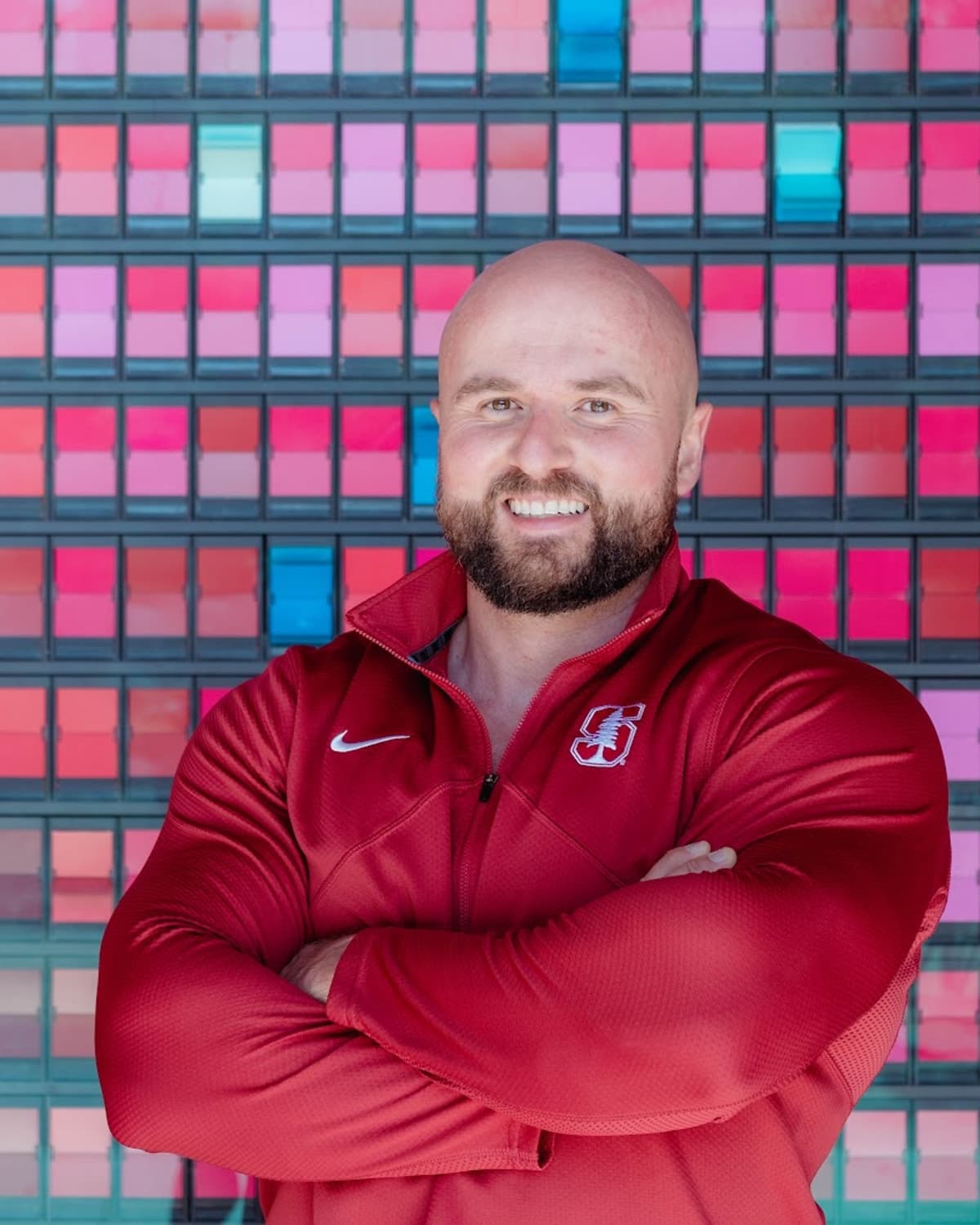
Founder, operator, athlete, researcher
I left school at 14 and figured the rest out as I went. Each step made the next one possible.
Age 14
School didn't feel very useful so I left at age 14.
Age 14-18
Nobody takes a 14-year-old seriously on a call, so I taught myself how to code and sold online before e-commerce was a thing.
2011
Skipped high school, scored well on the SAT, and learned via Khan Academy.
2013
Became Master of Sport of Russia, a title awarded for national-champion-level athletic results.
2016
Studied Operations Research: optimization, stochastic systems, queues & simulation. The math of making systems run better.
2017–2022
Led transformation work touching 2,500 employees across 25+ countries. Running logistics during COVID was a peak life experience.
2022–2025
Spent my days doing research, building things, and sitting in on as many CS classes as I could.
Dec 2024
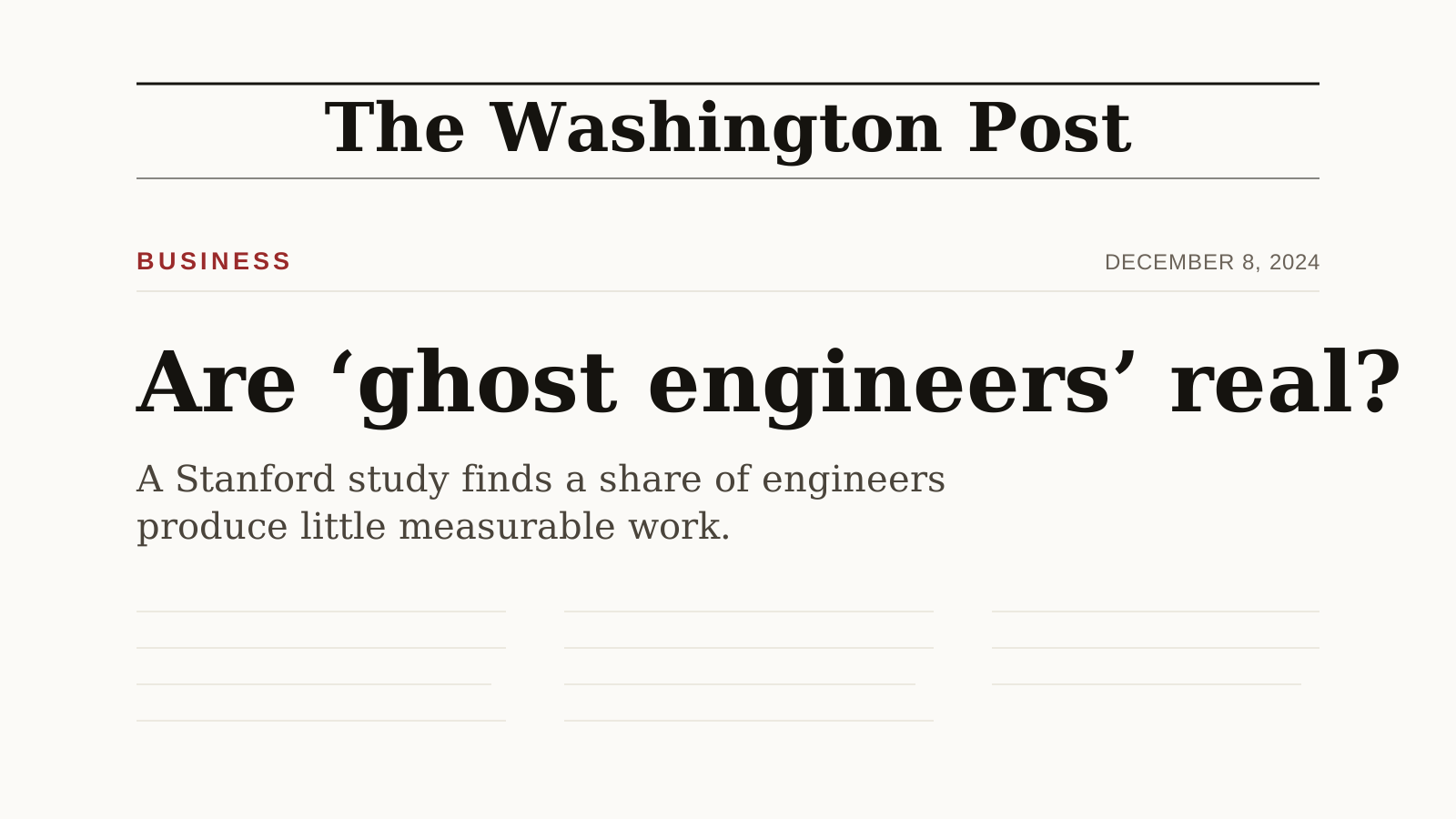
It made The Washington Post's business cover, got shared by Elon Musk and Marc Andreessen, and 100+ outlets followed.
2025-Now
Built on my research, deployed across dozens of enterprises, including all of Salesforce and part of a FAANG company.
2025-Now
Measuring how AI changes knowledge work, with data from hundreds of companies. Teaching team for CS321M: AI Measurement Science.
Awards
Geography
Courses I Enjoyed
Deep dive
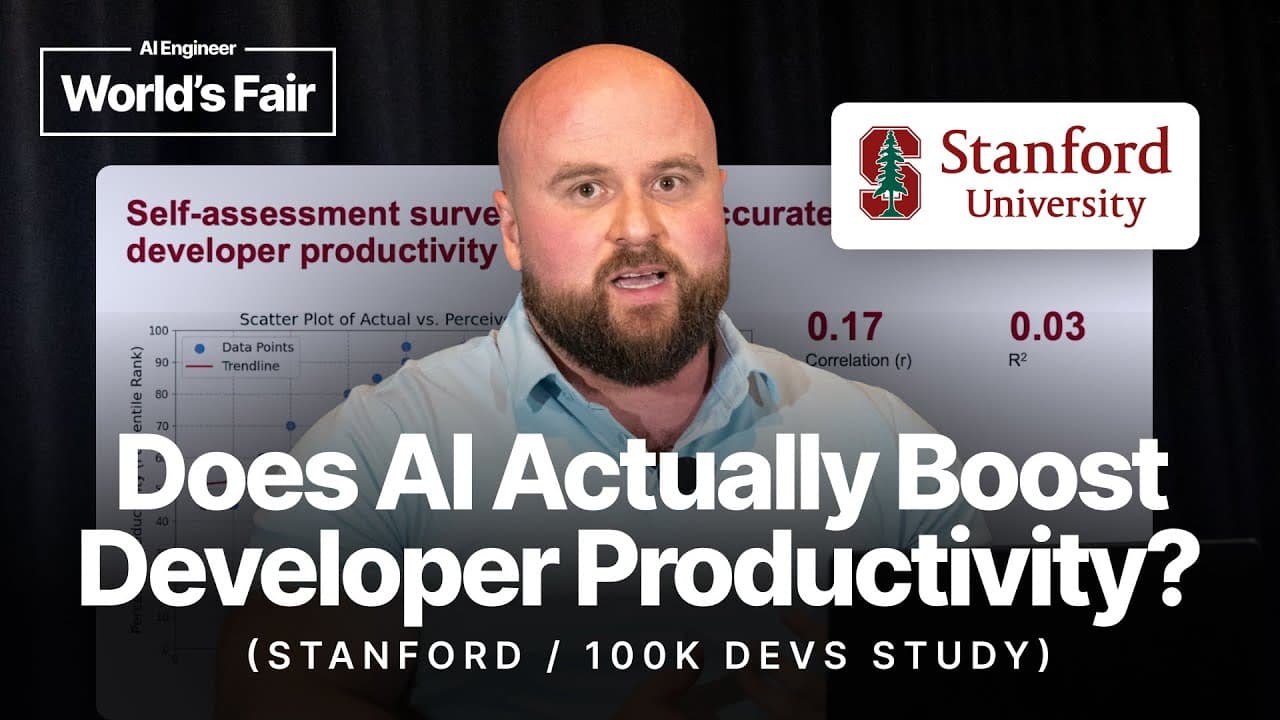
I studied private Git data from more than 50,000 engineers across hundreds of companies. About 9.5% did almost no measurable work, less than one tenth as much as a typical engineer.
The estimate doesn't come from counting commits. A model scores every commit the way a panel of ten expert reviewers would: how hard was the work, how maintainable is it, how much value does it add. Counting commits only catches people who do nothing. Scoring the work catches people who commit a lot of nothing.
The finding made the cover of the Washington Post's Business section, sparked a global debate about remote work and measurement, and was amplified by Elon Musk. The strongest validation came from the companies themselves: when they checked the engineers we flagged, the ghosts were real.
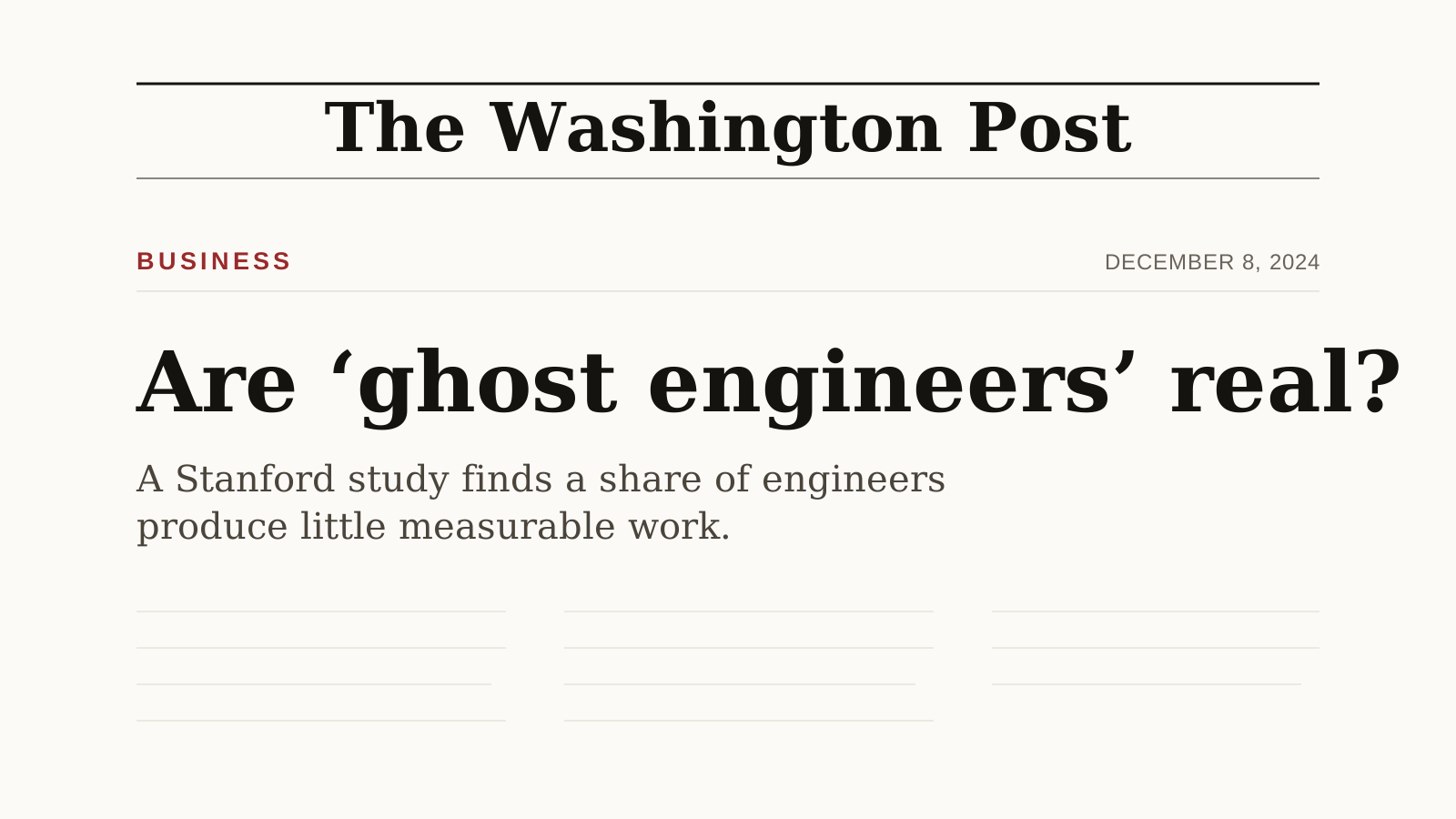
Selected high-signal coverage from a wider set of 100+ outlets worldwide.
Deep dive
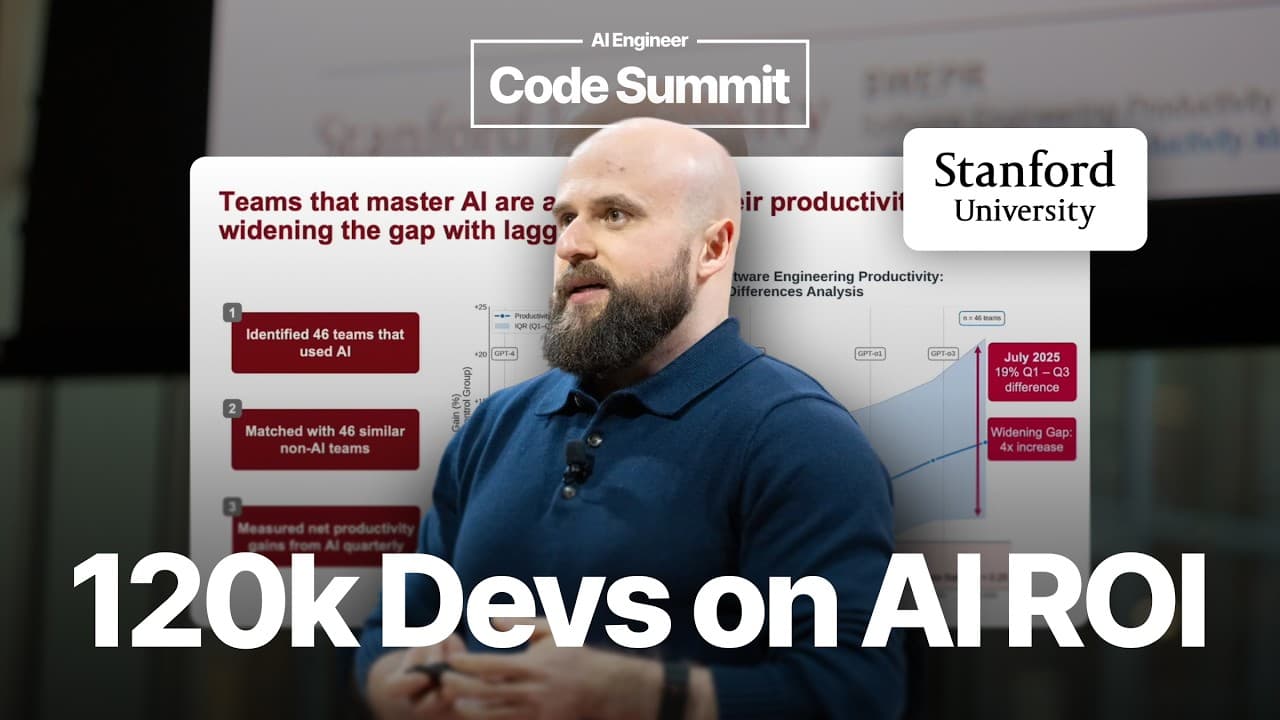
I measure what AI does to software output across 100,000 developers at hundreds of companies. For most of the AI boom the answer held: gains that are real, below the sales pitch, and uneven across tasks and teams. In December 2025 the answer started to change.
The same expert-panel model scores every commit on time, quality, maintainability, and complexity, then tracks output as teams adopt AI. Through 2025 the average lift stayed smaller than the headlines, and it depended on the task, the age of the codebase, and how common the language was.
Most companies can't tell whether their AI investment pays off, because their metrics can't see it. That measurement gap, and the distance between teams that master AI and teams that don't, is the throughline of the work.
December 2025 marked an inflection in the data. Through the peak of the hype I kept saying we weren't there yet, and the numbers backed me up. I was right about the call and wrong about the clock: the shift arrived long before I expected it.
The AI-productivity work is now cited and discussed across institutional, enterprise, investor, podcast, and engineering-leadership channels.
17 papers
Shows that language models can agree and still be wrong, so truthfulness needs real verification rather than voting or self-consistency.
Introduces RAMP, a way to score how ready repositories are for coding agents, and links stronger setup with fewer quality problems after adoption.
Studies how duplicated training data affects models differently as they scale, showing that repetition can change performance in ways averages hide.
Revisits V-information and shows it can behave strangely under realistic modeling limits, making it risky to treat as a simple information measure.
Shows that repeating data inside a training set can damage language models, even when the repeated examples look harmless at first.
Studies an enterprise AI-coding mandate across developers and pull requests, finding throughput gains alongside much heavier review load.
Explains how generative benchmarks can be contaminated by test data, making models look better than they really are.
Tracks how weak sampling evaluations passed through major papers, turning shaky claims into later assumptions that other work built on.
Rechecks claims that LLM answers collapse into one narrow style, and finds much more diversity across topics, models, and prompts.
Tests whether coding agents can turn Python programs into Lean 4 specifications and proofs that verify end to end.
Tests whether an agent's Lean proof actually matches the original Python code, exposing proofs that are correct but about the wrong thing.
Proposes a competition where researchers predict evaluation results before they are run, making AI benchmarks harder to game after the fact.
Builds a protocol for testing whether LLM judges of Lean 4 specs behave sensibly, turning monotonicity and stability checks into a trust signal.
Argues that machine learning conferences need a formal place for critiques and corrections, so important mistakes can be reviewed openly.
Measures how much LLM code-review outputs vary across runs, which matters when teams want reliable and repeatable review results.
Reexamines min-p sampling and finds that its claimed benefits are not supported by the available evaluation evidence.
Shows that models can predict expert code-review scores, making it cheaper to estimate code quality across large datasets.
Policy analysis and columns on AI, productivity, language, and remote work for public audiences.
Strategic AI policy analysis commissioned for Kazakhstan's official diplomatic channel at the United Nations.
A public case for Kazakhstan's AI opportunity, grounded in productivity data from nearly 100,000 developers across 500+ companies.
Russian-language column on how Kazakhstan can keep its emerging lead in AI-driven software productivity.
Spanish-language analysis of AI, ghost workers, and the changing productivity model in Silicon Valley.
Argument that AI's English-language bias creates a structural productivity disadvantage for Spanish-speaking economies.
Spanish op-ed on remote work, ghost workers, and why better measurement should protect merit rather than become surveillance.
Polish business op-ed on AI productivity gains, rework, language effects, and what local firms need to get right.
Polish-language piece explaining ghost engineers, remote-work structure, and data-driven productivity measurement.
Proof
Used in policy by the World Bank and the United Nations, covered by 100+ outlets worldwide, and presented at major AI conferences.



More confirmed outlets and references
Stanford Computer Science · Spring 2026
A graduate course on how to measure AI systems when benchmarks saturate and evaluation methods disagree. Students learn to treat evaluation as a measurement problem, then build a new measurement approach of their own.
Guest lectures from OpenAI, Google DeepMind, Harvard, MIT & Transluce
Off the clock

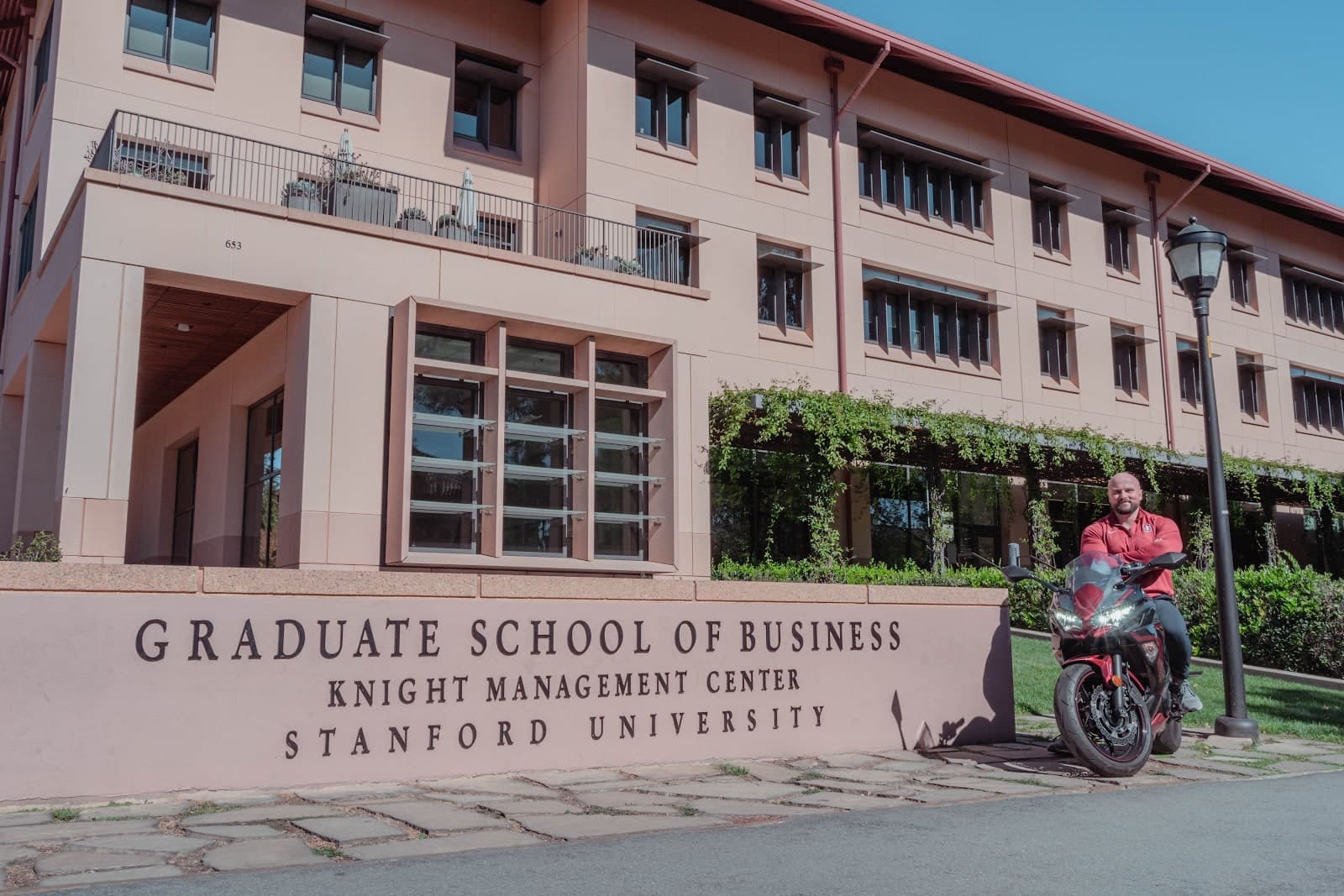
I've logged 5,000+ workouts and lifted 100+ million kg, about 10 Eiffel Towers' worth of weight.
At 13, I started coding video game bots. Watching them play was more fun.
I enjoy doing side quests in human firmware.
I enjoy driving things with engines at fast speeds.
Contact
If you study how work is changing, build in this space, or want to, get in touch.